Facilities

Unique Opportunities for Students
Emory University
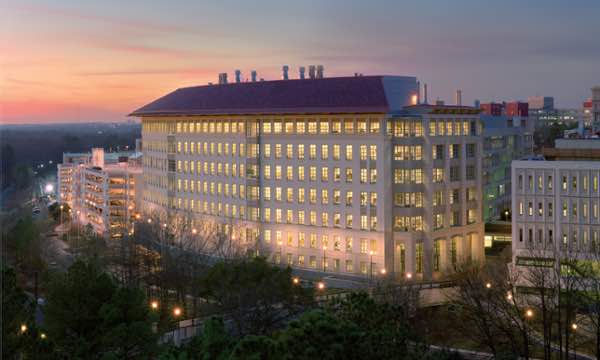
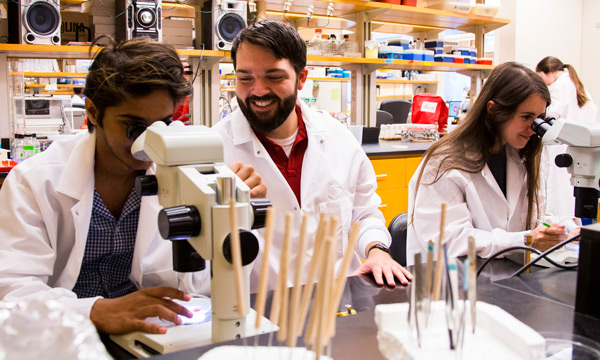
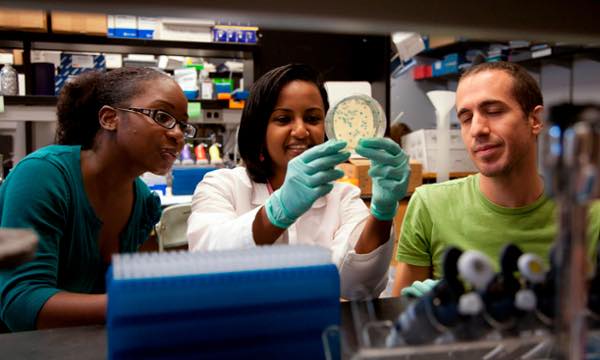
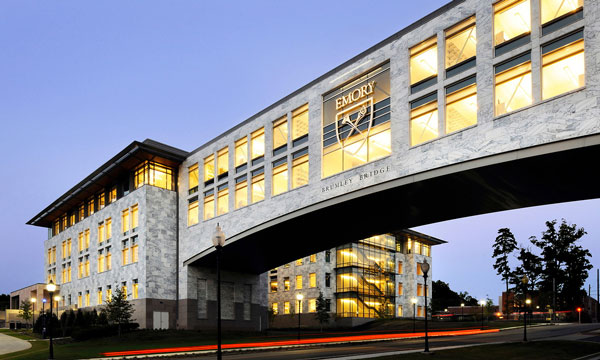
Emory University is one of the major biological research and medical referral centers in the Southeast. Emory has continued its rapid growth in research funding with a total of over one billion in sponsored research funding for 2024. The state-of-the-art instrumentation that is needed to study virtually any aspect of modern biology and medicine is found on the Emory campus. Excellent research facilities are available, including numerous research cores with advanced tools and support services for imaging, genomics, glycomics, computational biology, proteomics and other research needs.

Graduate Division of Biological and Biomedical Sciences
The Graduate Division of Biological and Biomedical Sciences at Emory University provides our students with the opportunity to work with world renowned researchers who are located around the Emory campus. Students can choose to work with over 400 faculty members affiliated with the Emory School of Medicine, Emory College of Arts and Sciences, Winship Cancer Institute, Rollins School of Public Health, Emory National Biomedical Research Center, Woodruff Health Sciences Center, and the U.S. Centers for Disease Control and Prevention.

Robert W. Woodruff Health Sciences Center
The Robert W. Woodruff Health Sciences Center includes the Schools of Medicine and Nursing, Emory Clinic, Emory University Hospital, Emory University Hospital Midtown, Jesse Parker Williams Pavilion, and Emory National Biomedical Research Center. Independent affiliates include the Wesley Woods Health Center, U.S. Centers for Disease Control and Prevention, Grady Memorial Hospital, Henrietta Egleston Hospital for Children, American Cancer Society, and Atlanta Veterans Administration Medical Center.
Woodruff Health Sciences Center
Winship Cancer Institute
The Winship Cancer Institute houses the Ambulatory Infusion Center, Radiology, expanded Radiation Oncology, a Breast Imaging Center, Multi-Use Oncology Clinics, Patient Resource Center, Patient Support facilities, research labs and administrative offices. The new facility has been described as a "gateway" to cancer care in the southeast. Emory's Winship Cancer Institute earned the prestigious National Cancer Institute (NCI) Cancer Center designation. With NCI designation, Winship Cancer Institute is among the ranks of the nation's elite cancer research and treatment facilities, and is one of only seventy-one NCI cancer centers in the United States among the thousands of cancer facilities that exist.
Winship Cancer Institute
Emory National Biomedical Research Center
The Emory National Biomedical Center (ENBRC) is one of seven major national primate research centers (NPRCs) in the United States. It houses a large collection of great apes as well as several monkey species. Areas of research include: developing vaccines for infectious and noninfectious diseases; increasing understanding of progressive illnesses, such as Parkinson's and Alzheimer's diseases, and developing methods for the earliest possible diagnosis; unlocking the secrets of memory; treating and even preventing autism spectrum disorders, fear and anxiety-related disorders, and drug addiction; advancing knowledge about the evolutionary links between biology and behavior; and interpreting brain activity through imaging. The scientists at Emory collaborate in joint research and educational endeavors with faculty in the Graduate Division of Biological and Biomedical Sciences.
Emory National Biomedical Research Center
Emory Vaccine Center
The Emory Vaccine Center is located at the Emory National Biomedical Research Center and is one of the largest academic vaccine centers in the world. The Vaccine Center has faculty members who study HIV/AIDS, Malaria, Cancer, Bio-Defense Pathogens and basic Immunology and Virology.
Emory Vaccine Center
U.S. Centers for Disease Control and Prevention
Emory University is unique among research institutions in that both the U.S. Centers for Disease Control and Prevention is adjacent to campus. This gives students a unique opportunity to work with CDC researchers who are affiliated with one of our Programs. (Photo credit: James Gathany, https://phil.cdc.gov)
US Centers for Disease Control
Carter Center
The Carter Center of Emory University addresses national and international issues of public policy and draws on the resources of virtually the entire University community, including former President Jimmy Carter (Emory University Distinguished Professor). Its programs bring to campus a wide range of international scholars, government leaders, business executives and other professionals, and provide an opportunity to merge the knowledge of the academic community with the practice of public affairs. Some Emory students participate as volunteers and interns in planning and implementing Center projects, engage in research projects with Center fellows, and are given opportunities to attend Center consultations and conferences. While the Center itself does not offer an academic degree program, fellows and associates teach in the various schools of the university.
Carter Center
Computer support for research at Emory
Computer support for research at Emory is located in several different units. As a teaching and research center, Emory has facilities and services specifically available to graduate students and faculty. Prime among them are the Cherry L. Emerson Center for Scientific Computing (Emerson Center) and support of High Performance Computing through a relationship with Amazon Web Services. In addition, Emory Integrated Computational Core's mission is to provide cutting-edge computational support and bioinformatics analysis to Winship Cancer Institute of Emory University investigators and users of the Emory Integrated Core Facilities.